Review by Piers Beagley - Elvis Information Network
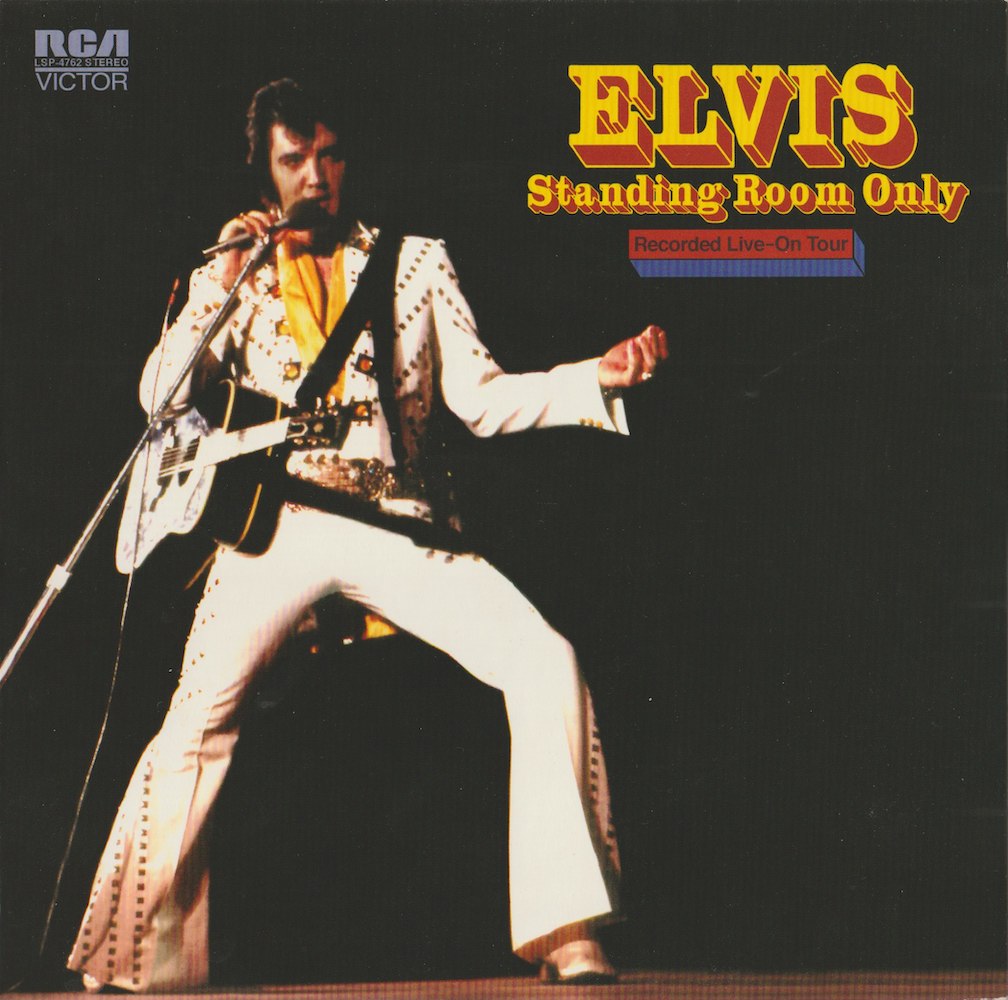
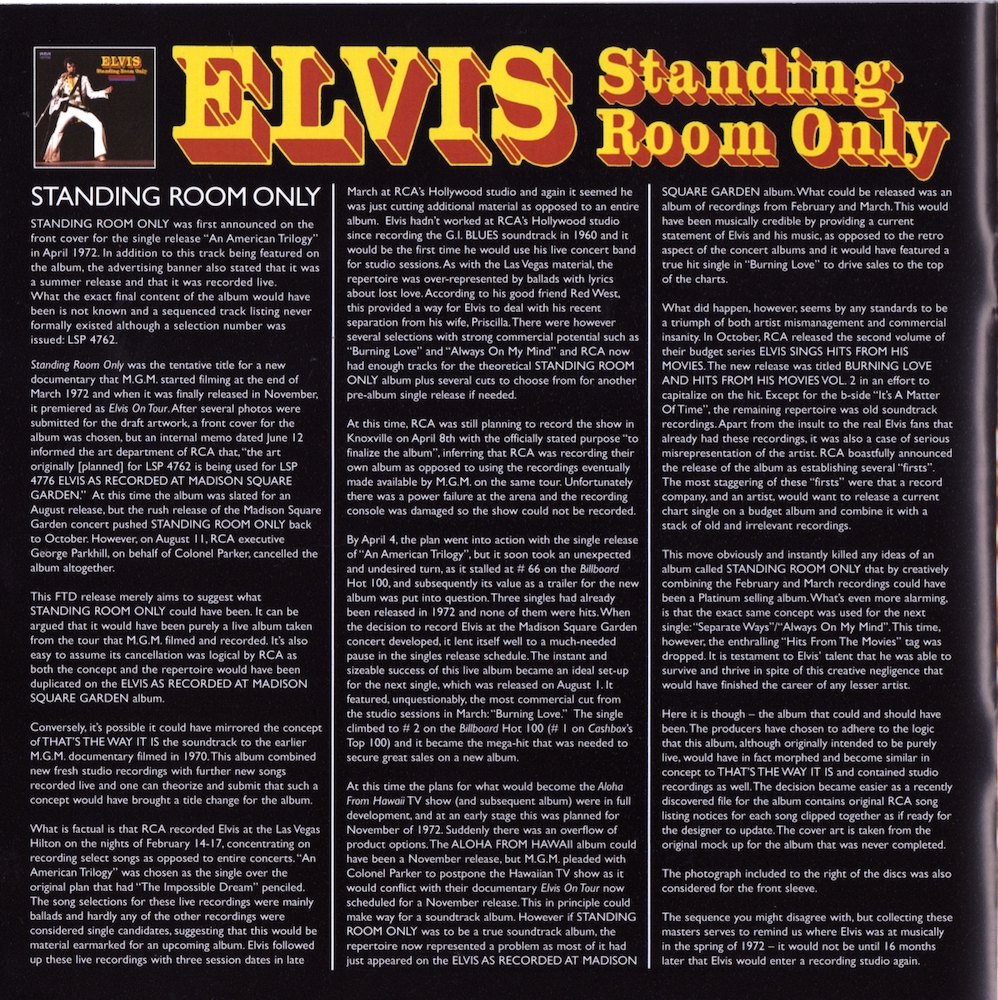
Standing Room Only was the album RCA proposed to release along with the 1972 MGM film of the same name. Similar to That’s The Way It Is, it seems likely to have been a mix of live and studio cuts. With the stunning ‘Burning Love’ and ‘Separate Ways’ / ‘Always On My Mind’ as key lead-in singles, it would surely have put Elvis back in the top of the charts - which at the time he sadly needed, his last few albums having failed badly. The album was even announced on the cover of his ‘An American Trilogy’ single.
Unfortunately, the album would end up being scrapped in favour of Elvis As Recorded At Madison Square Garden, and both ‘Burning Love’ and ‘Separate Ways’ thrown away on woeful budget albums. This is wonderfully described in the FTD booklet as “a triumph of both artist mismanagement and commercial insanity”.
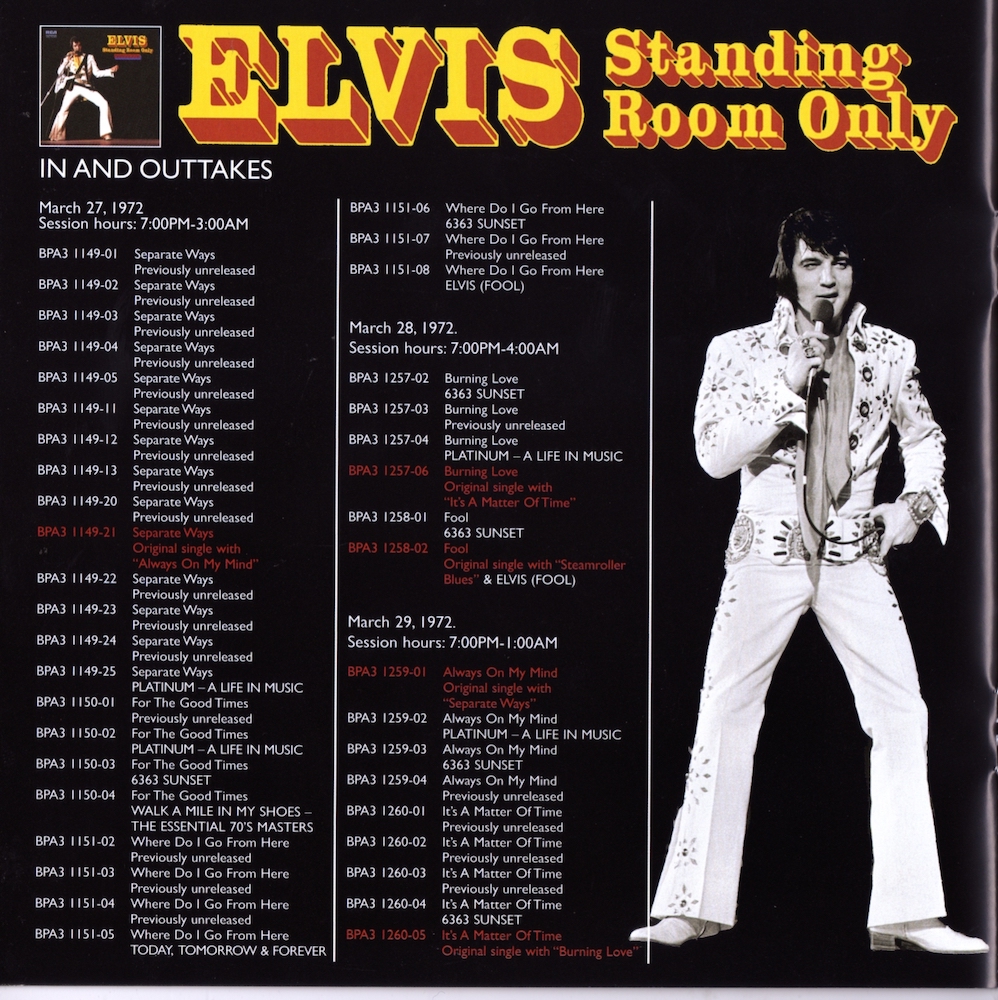
FTD has, at last, released Standing Room Only as a classic album 2-CD set (as well as a special vinyl release) but, more importantly, it also includes the outtakes from Elvis’ March 1972 RCA studio session.
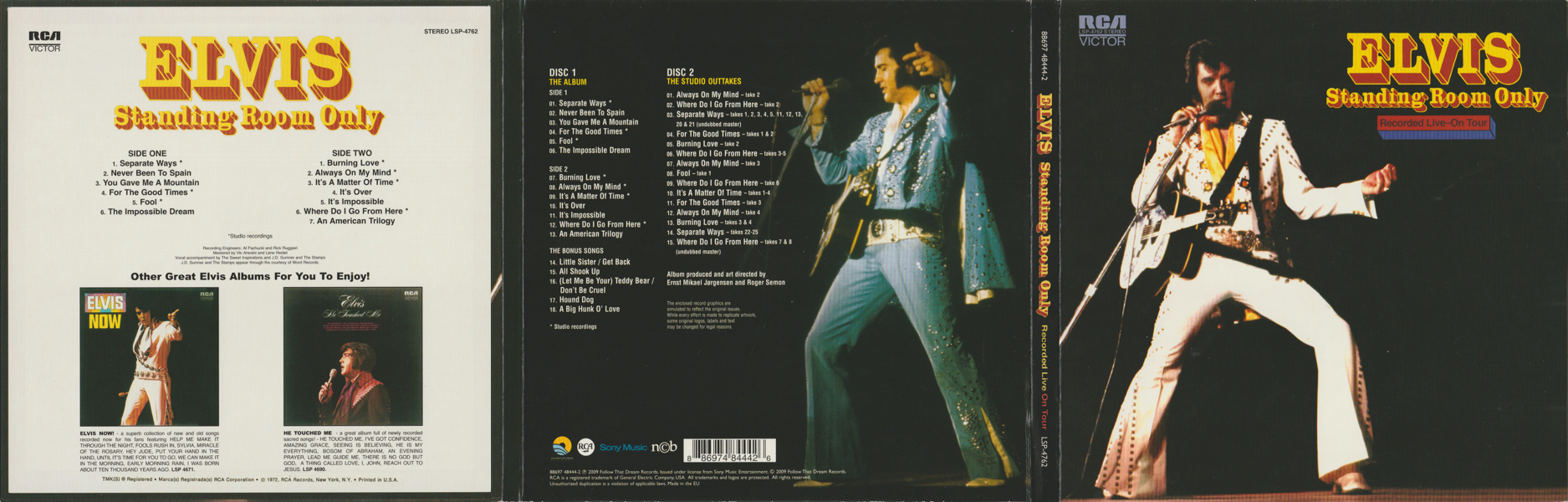
The Packaging and Design
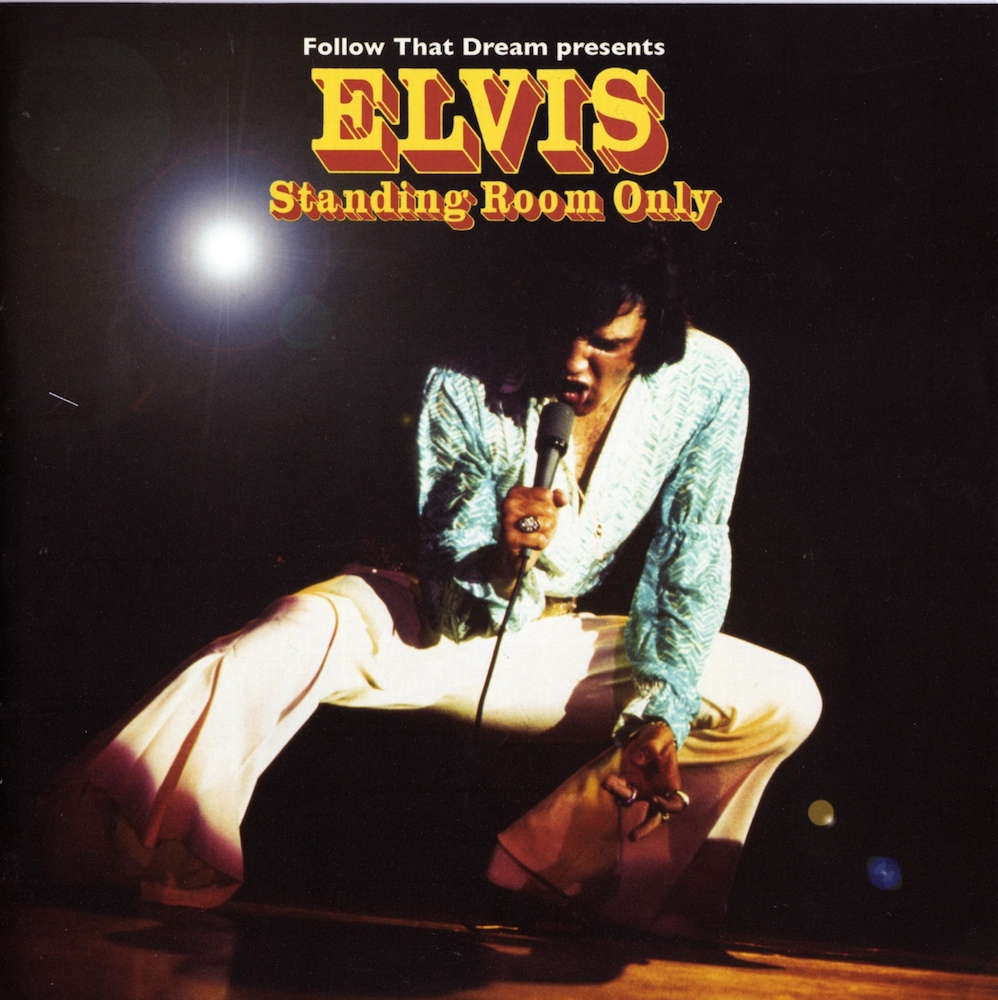
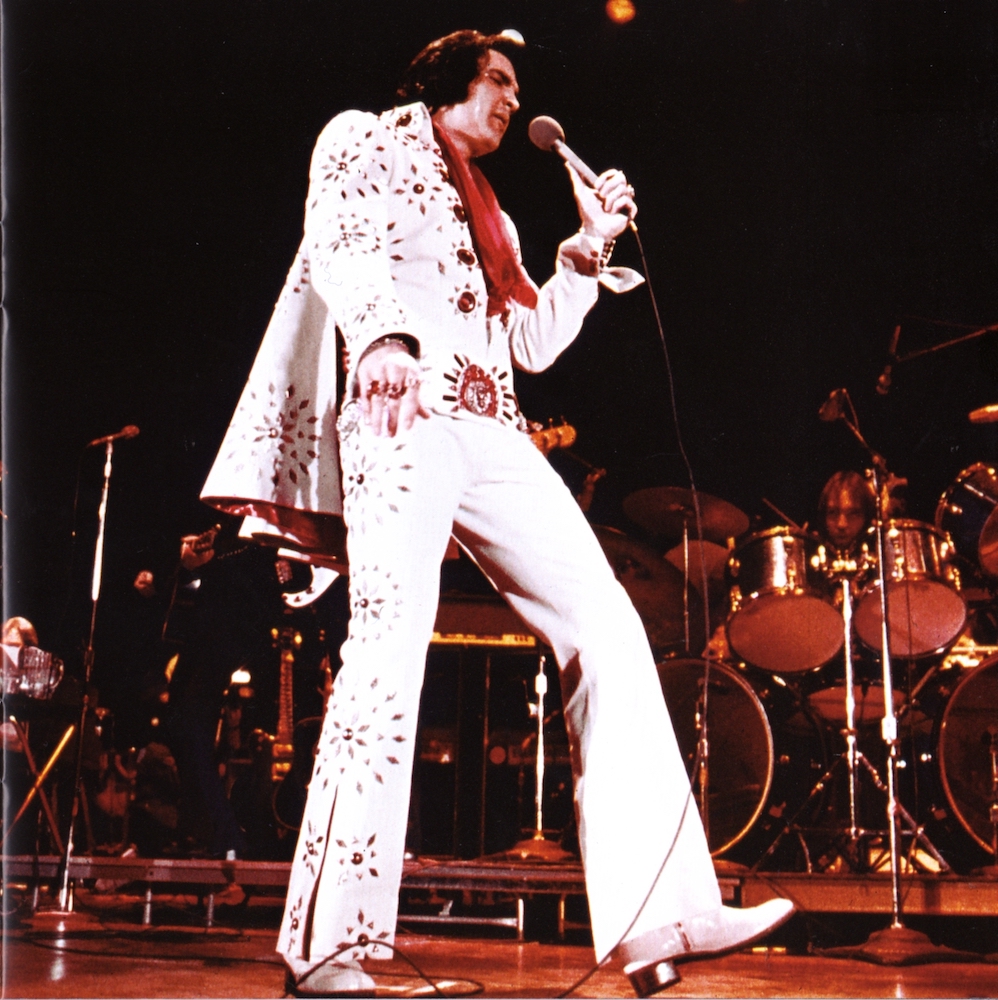
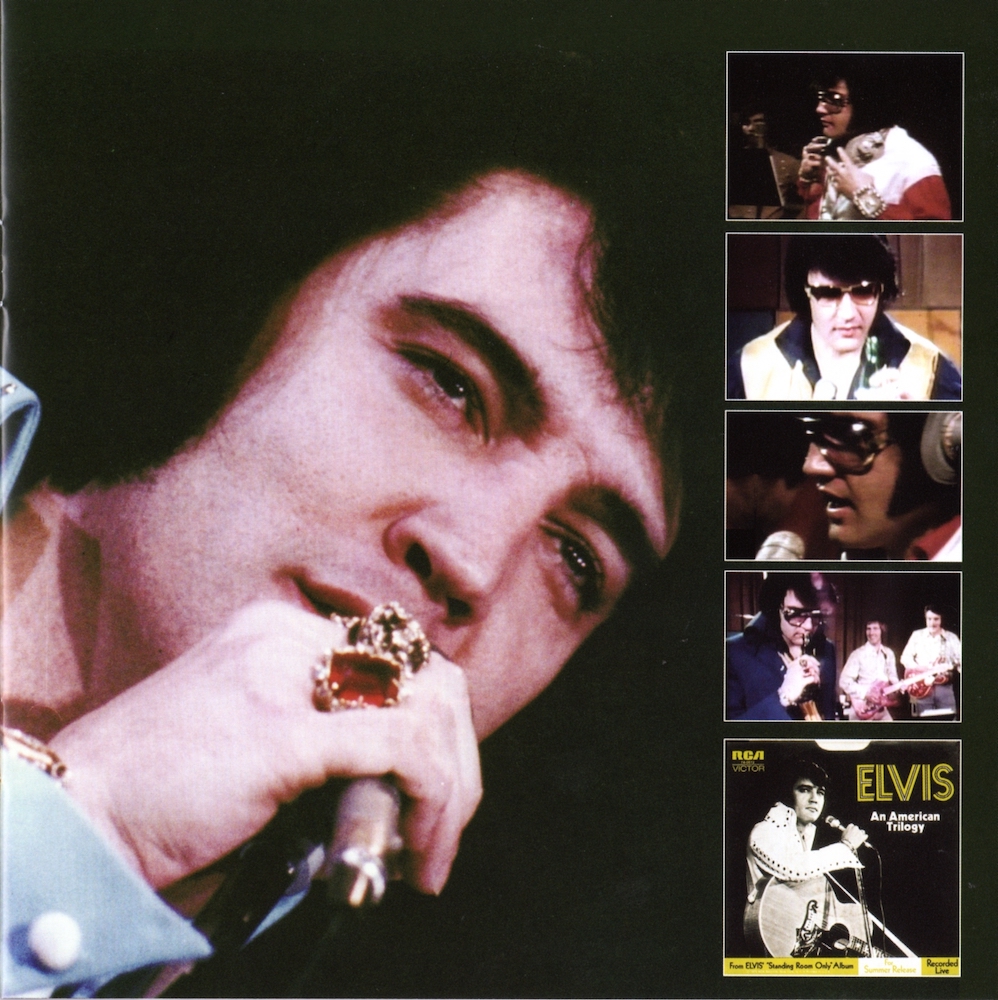
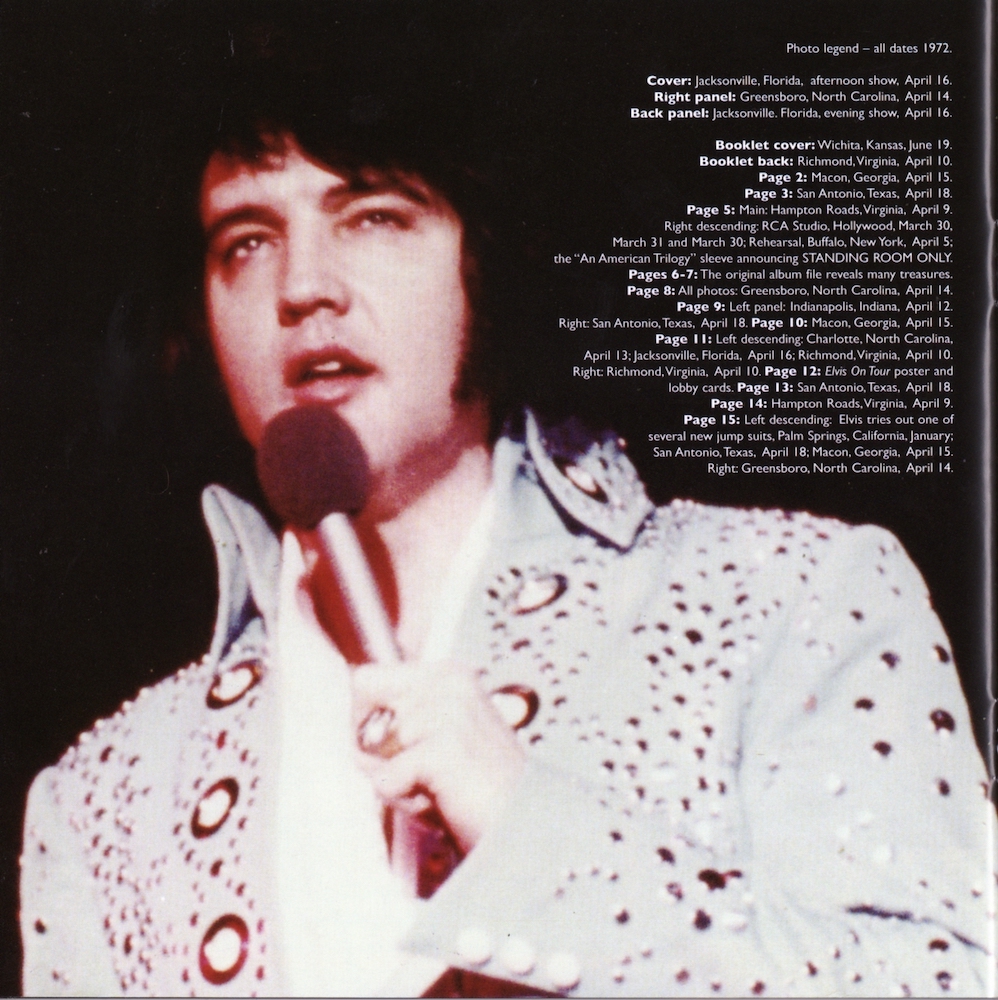
The cover features a re-creation of the original LP sleeve, while the booklet cover is a superb Ed Bonja shot of Elvis on stage in Wichita, but sadly is a reverse image. The thirteen songs help create one of Elvis’ best albums in years, although it is hard to believe that ‘Burning Love’ would not have been the lead track on side one.
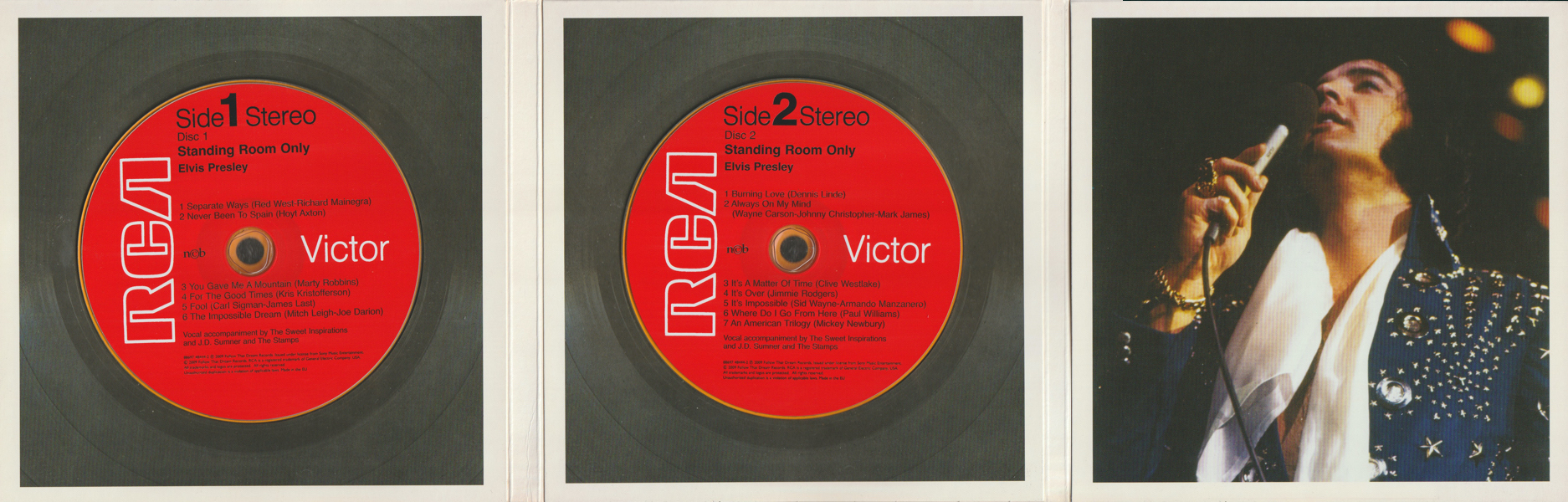
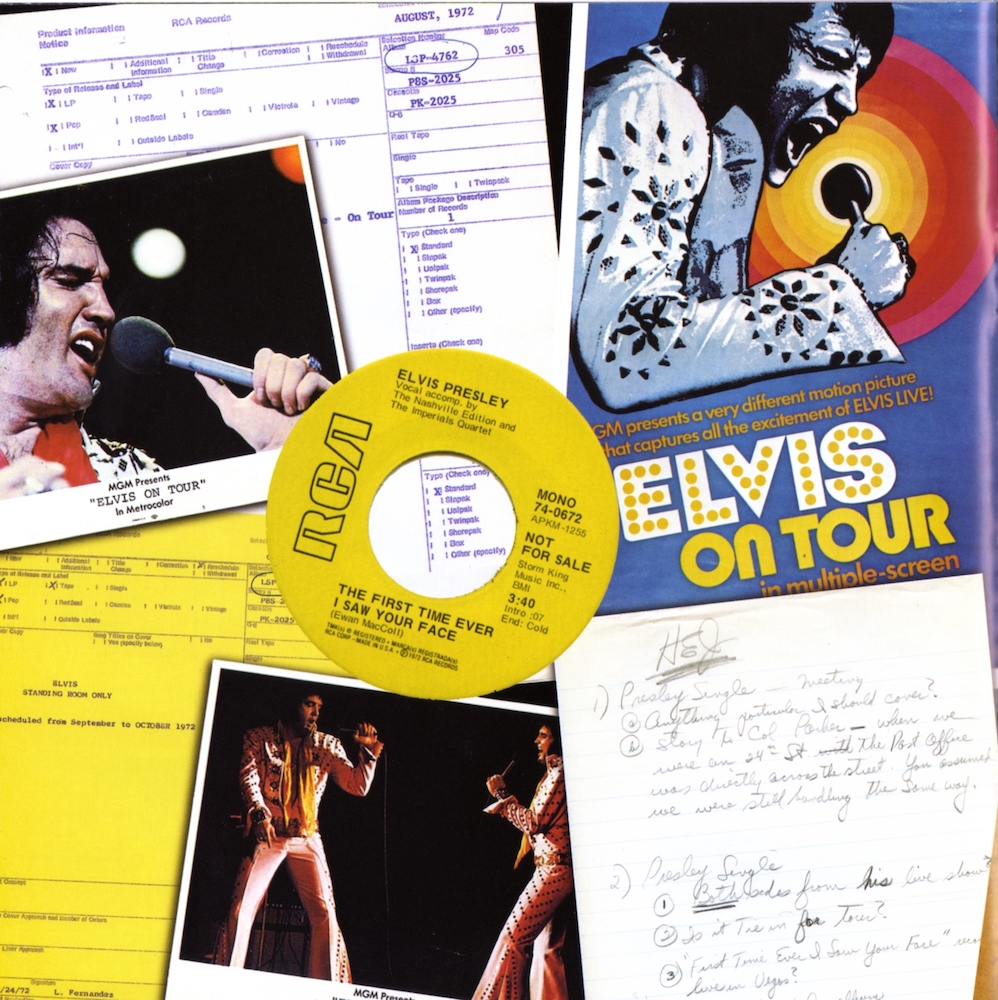
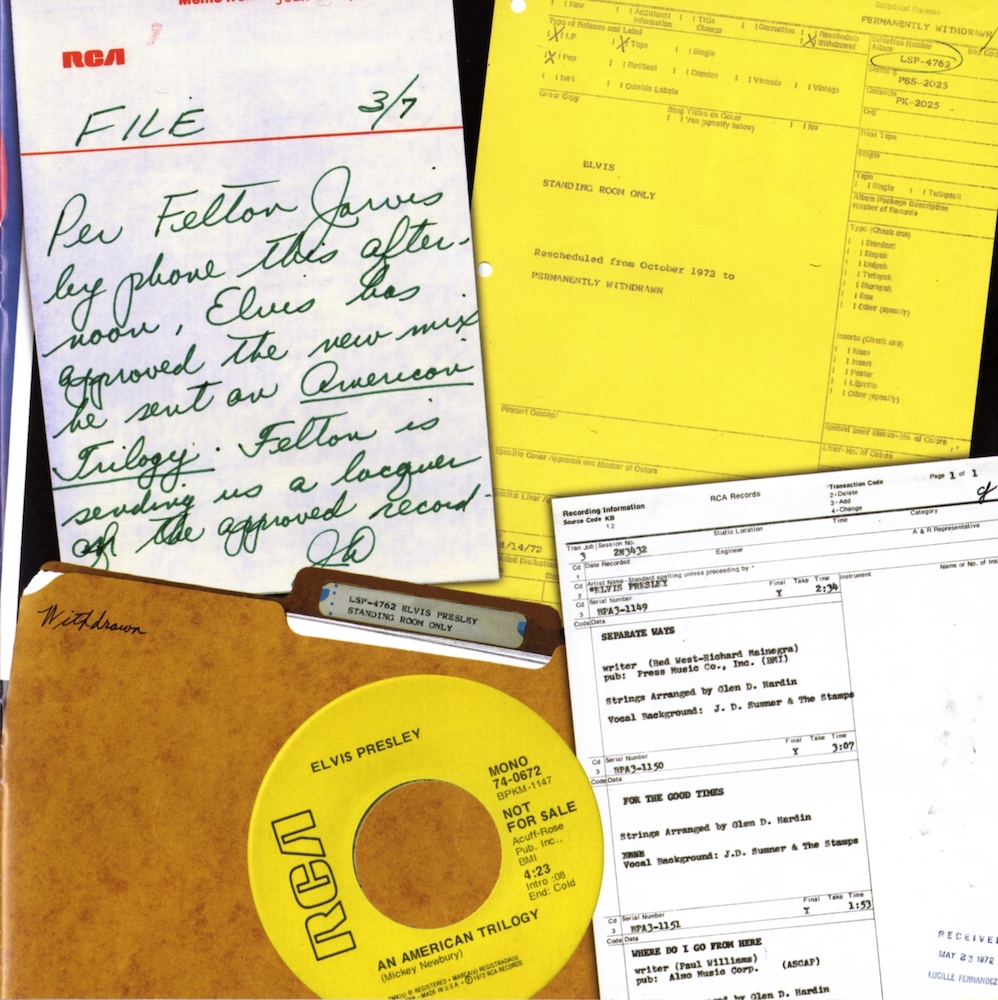
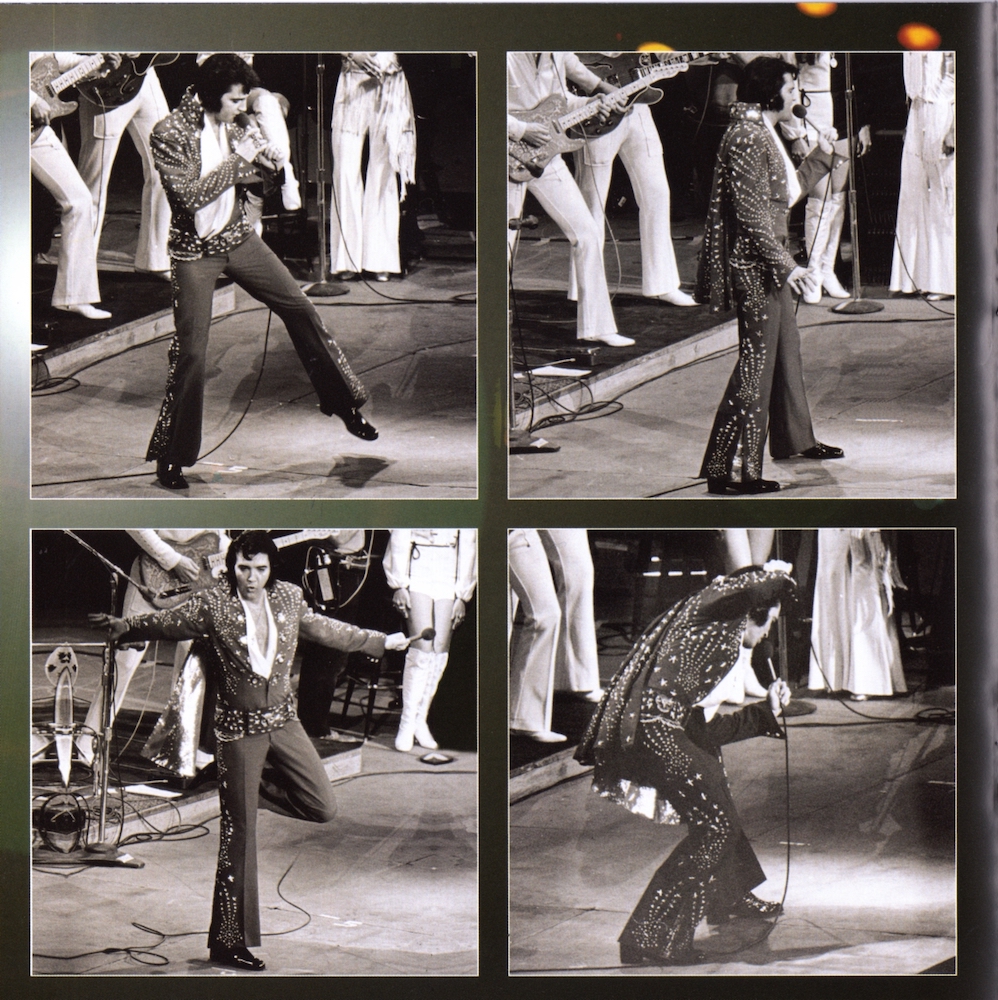
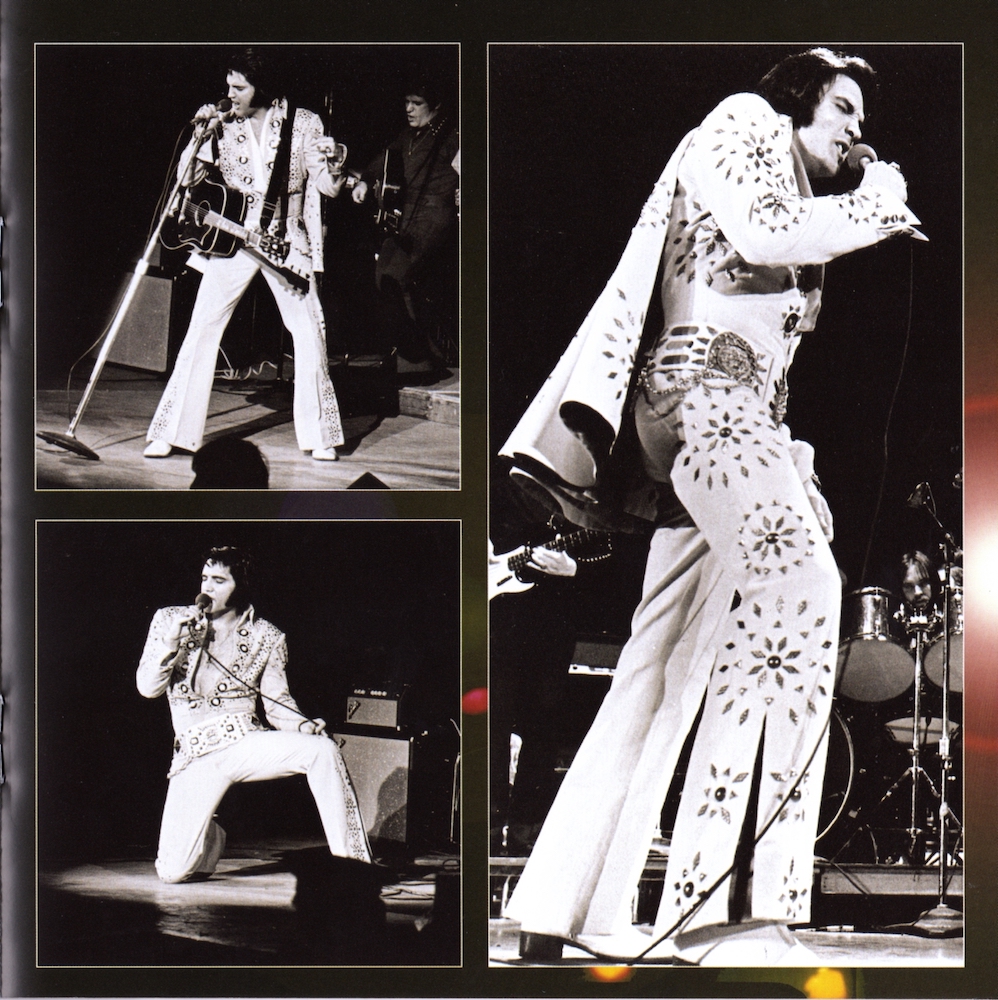
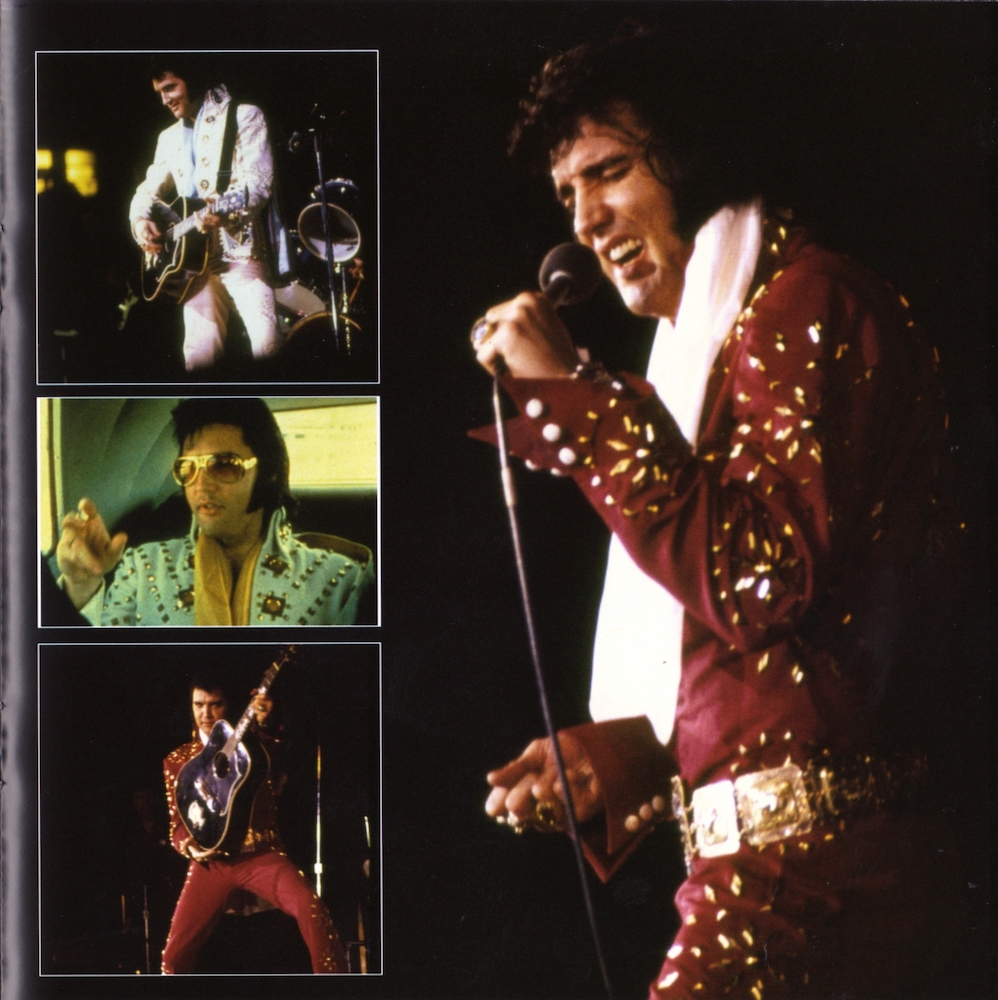
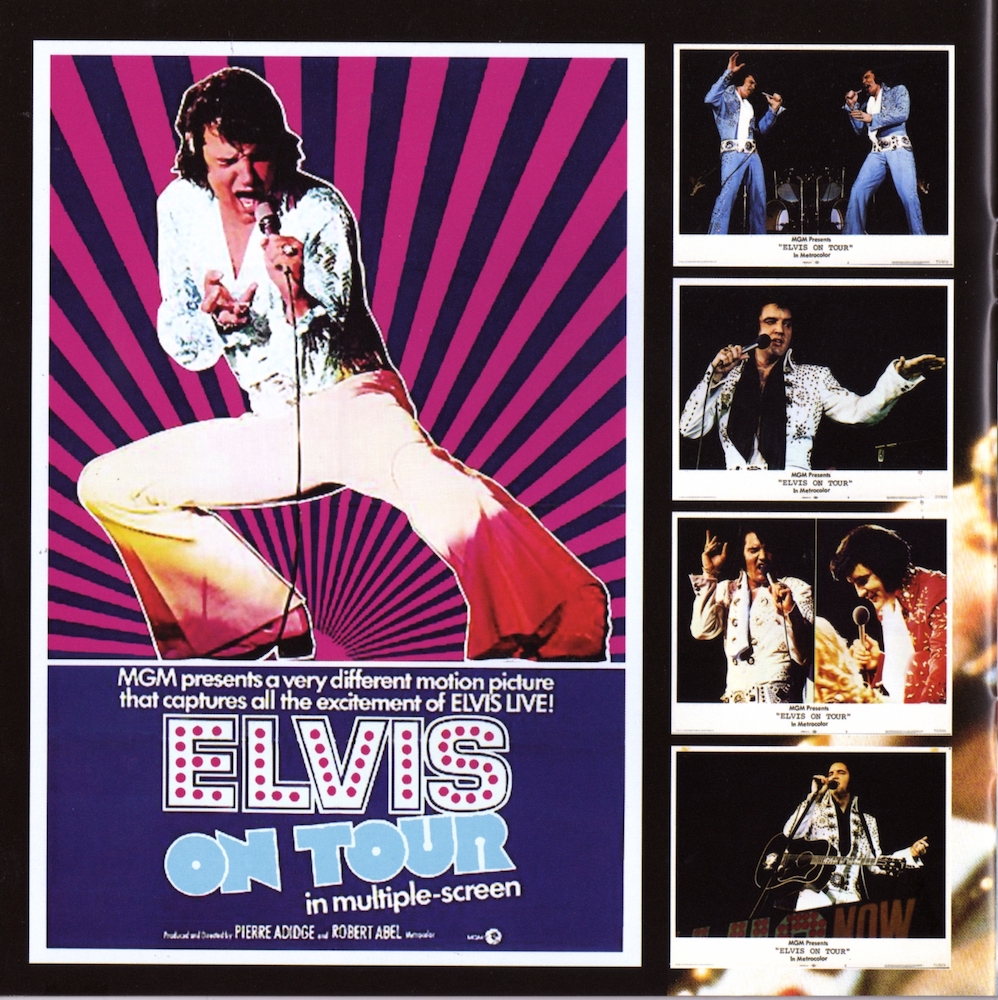
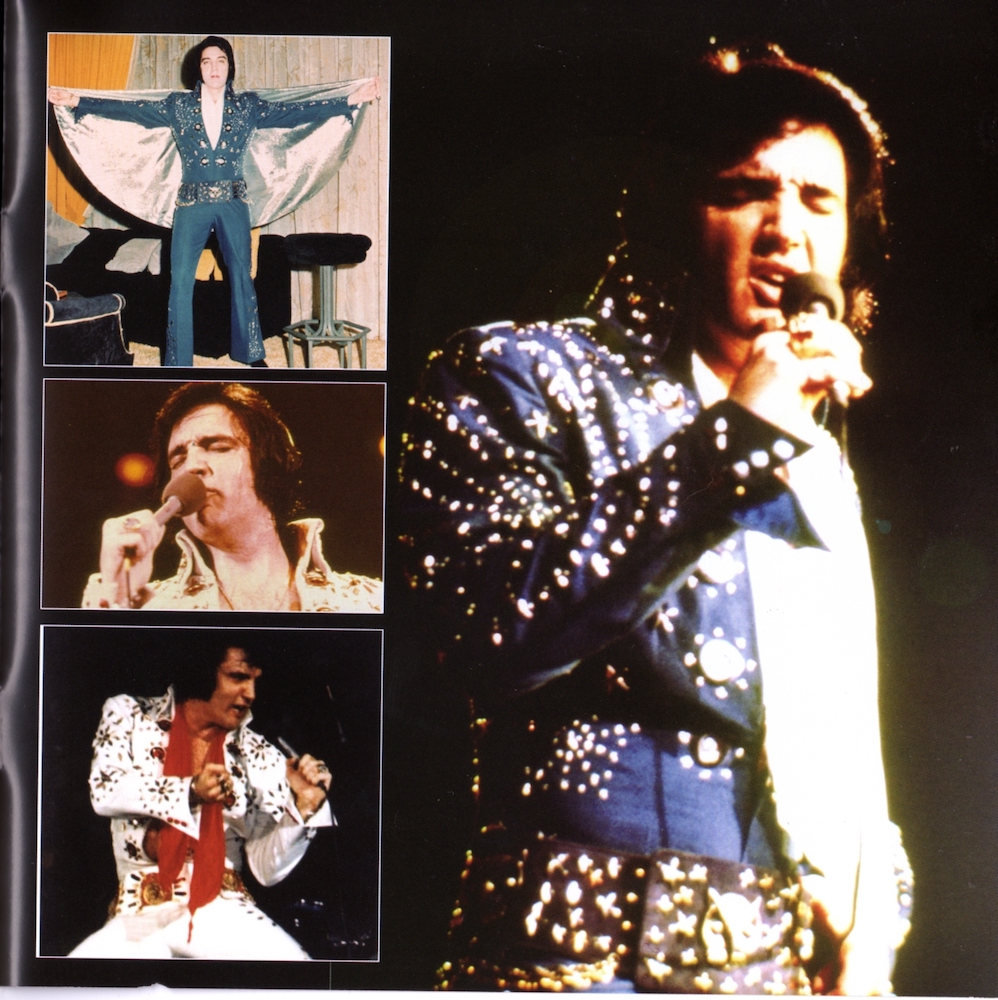
The twelve-page booklet includes a fascinating and lengthy essay on the history of the Standing Room Only album. It is a surprise to be reminded how Elvis’ marvellous ‘An American Trilogy’ single failed so badly in the US charts. It also features more than twenty splendid photographs of Elvis live in concert, as well as the usual memorabilia. The importance of the studio session, his last until mid-1973, is only briefly mentioned.
The Music
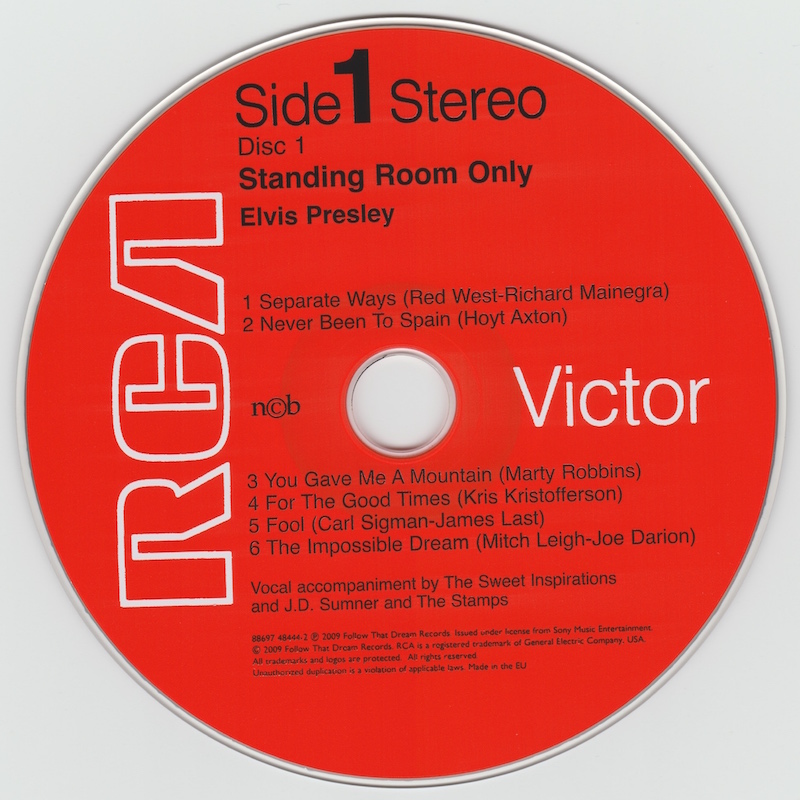
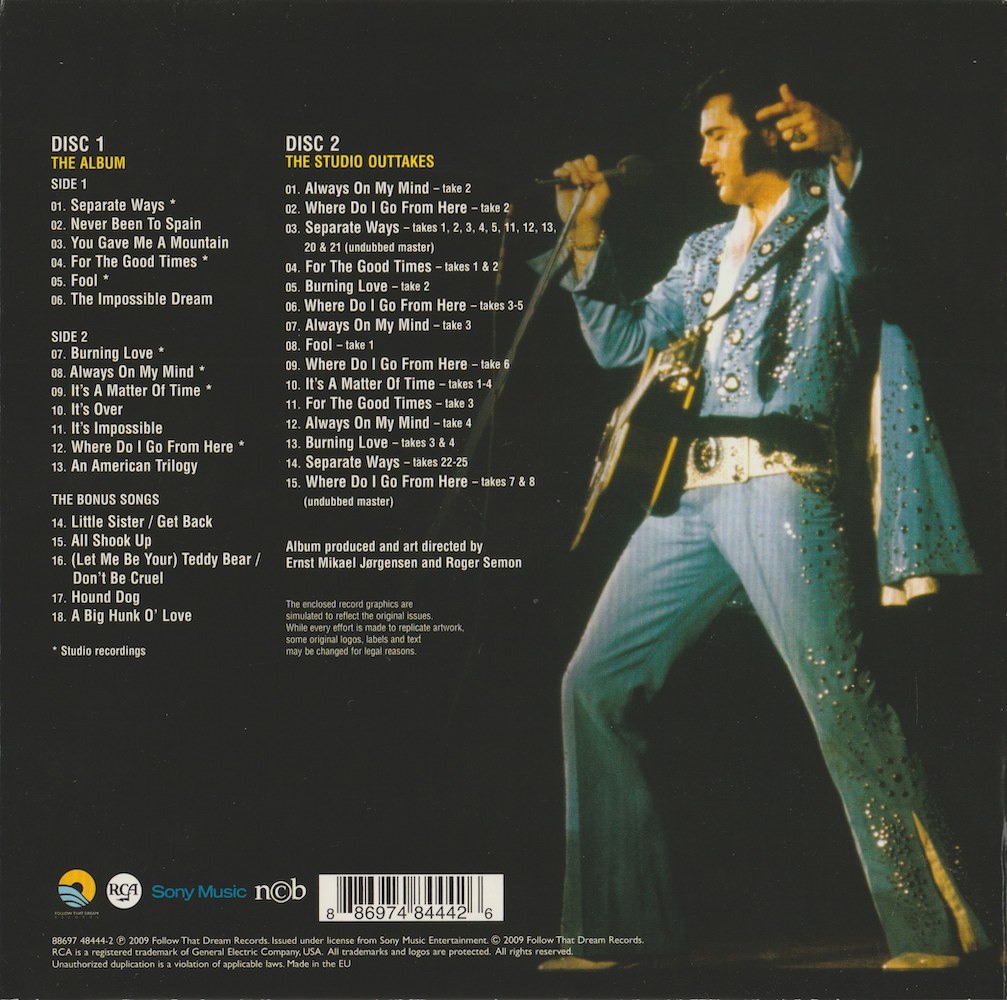
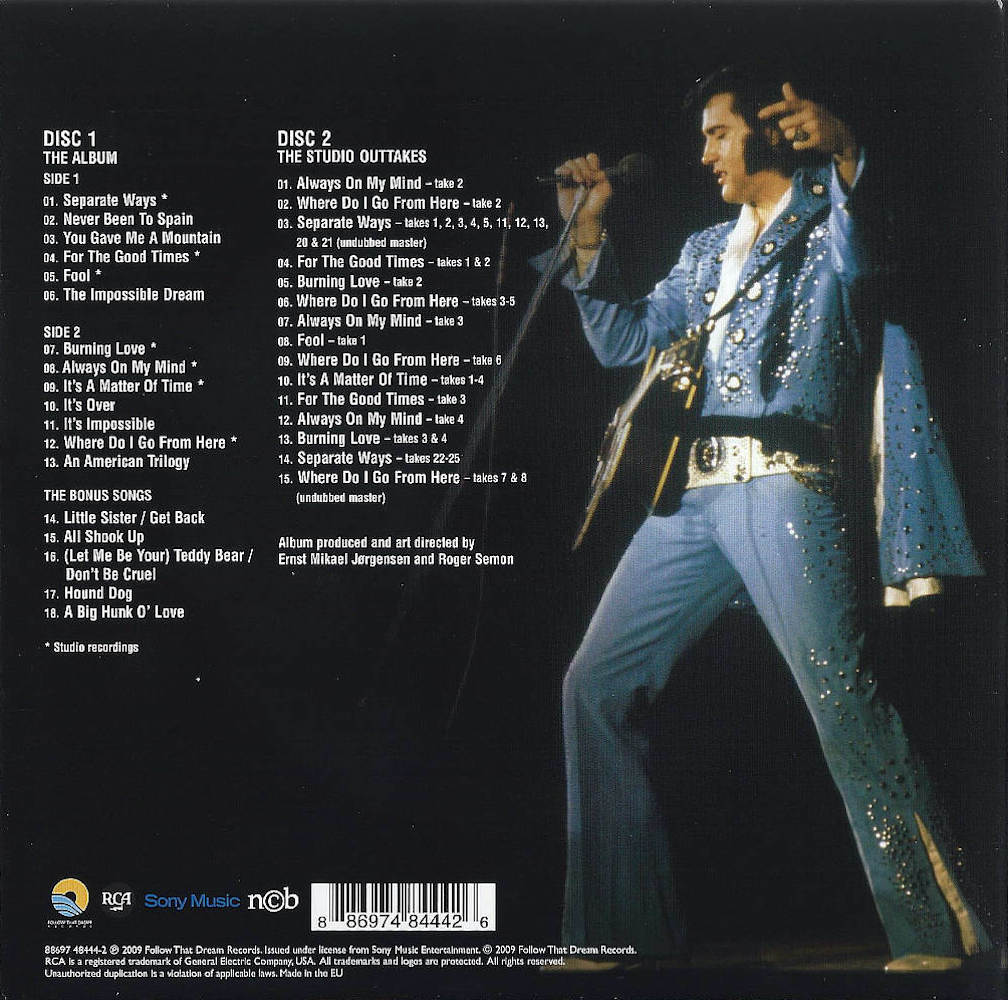
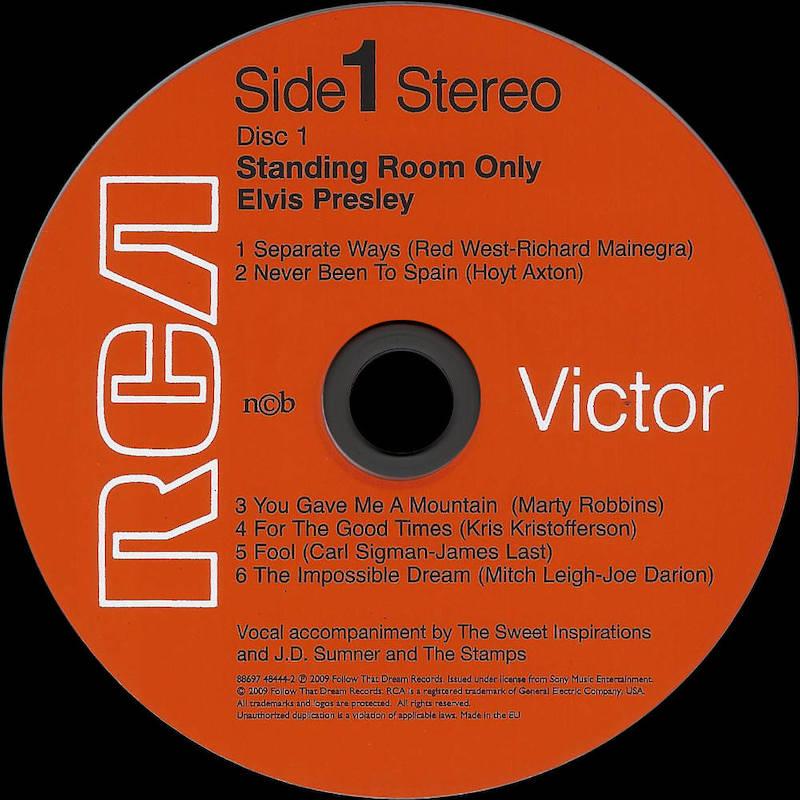
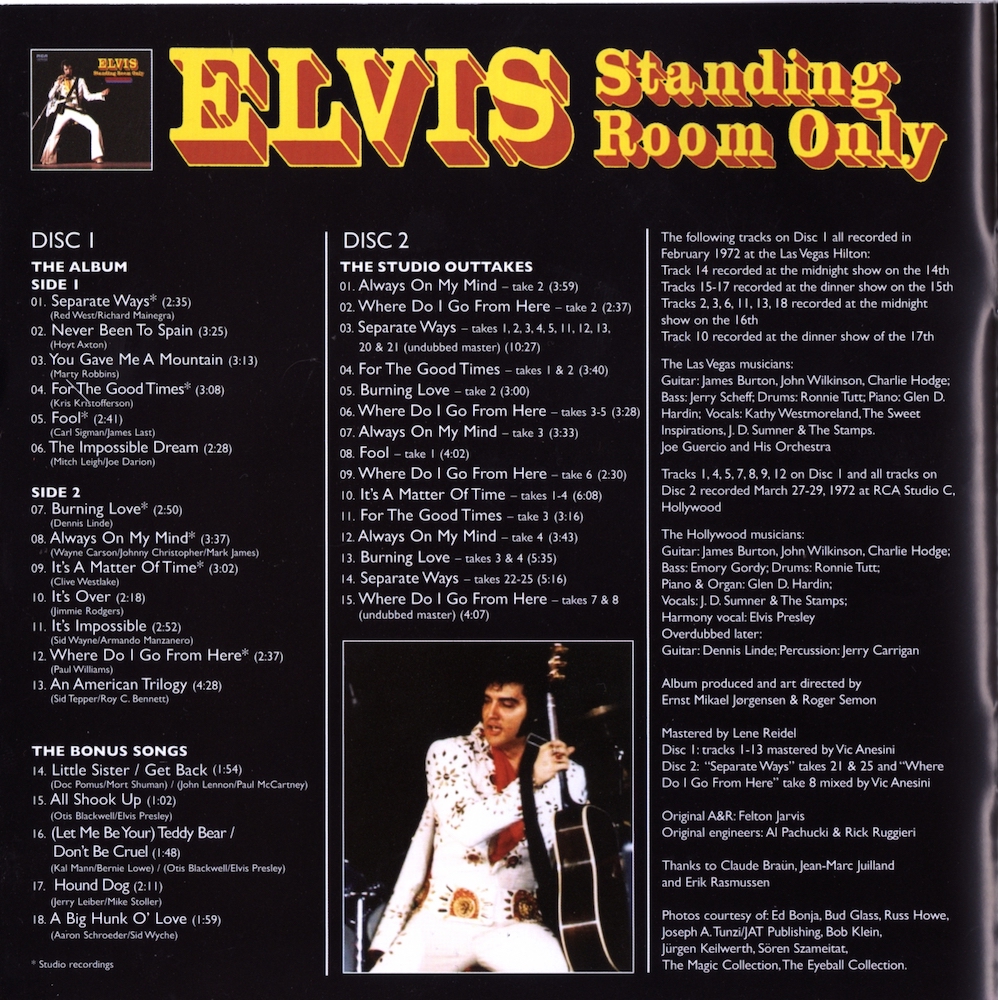
Disc 1 - (48 minutes) includes the thirteen tracks that probably would have made up the original album - and what a fine selection they are. From the rockin’ ‘Burning Love’ through the delightful ‘Separate Ways’, ‘Never Been To Spain’, ‘It’s A Matter Of Time’ to the powerful show-stopper of ‘An American Trilogy’, this would have been one of Elvis’ finest albums from the ‘70s. Incredibly, five of the six live tracks, including ‘An American Trilogy’, came from one Las Vegas concert, the February 16, 1972 midnight show. ‘You Gave Me A Mountain’ and ‘It’s Over’ were held as masters for album release and were more sensitively performed than the later over-the-top Aloha versions that would supersede them.
Afterwards, the five “bonus songs” include three previously unreleased live recordings - ‘All Shook Up’, ‘(Let Me Be Your) Teddy Bear’/’Don't Be Cruel’ and ‘Hound Dog’. These, however, are all throw-away versions, Elvis mumbles the words and you realise why they have never been out before. The other tracks - ‘Little Sister’/’Get Back’ and ‘A Big Hunk O’ Love’ - are fine but have been out elsewhere. Usually, FTD’s bonus tracks offer something new and exciting. This time, however, they ruin the impact of the LP and should not have been included.
The set is mastered by Lene Reidel, and although Vic Anesini’s remastered 1972 live tracks are used, here they do not have the exciting audio sparkle as on BMG’s 2007 Viva Las Vegas release. Some top-end filtering and compression having been used to make them better match the audio of the studio session.
Disc 2 - The Studio Outtakes (65 minutes)
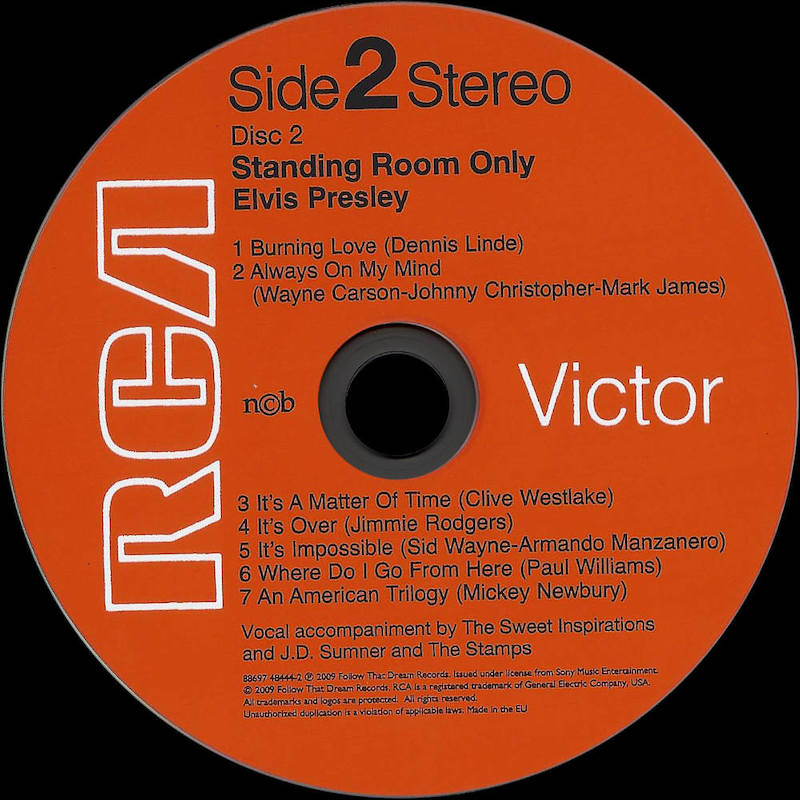
Elvis' March 1972 RCA recording session was significant since it was not only his first studio session playing with the TCB band but more importantly it was his last studio session for sixteen months. Another point to note is that in early 1972, the wah-wah guitar was prominent in the charts (‘Shaft’ etc.) and James Burton makes the most of it at this session. However, since the TCB band was so accustomed to playing with Elvis, there is little elaboration in the outtakes, as they usually have the songs down-pat right from the start.
Elvis recorded seven studio tracks for inclusion on the album and the outtakes are a real bonus to this set. Twenty-two outtakes are previously unreleased (including an enjoyable Take 3 of ‘Burning Love’), though the vast majority are, unfortunately, short false-starts.
‘Always On My Mind’ - The gorgeous second take is a beautiful introduction to the March 1972 sessions. Elvis sings one line of “A hundred years from now” before they commence, and while he loses strength mid-song, as Felton says at the end “Yeah, that’s a gas”. The surprise is that it was Elvis’ very first attempt that was released as the single, albeit overdubbed.
Take 3 (previously on 6363 Sunset) features some delightful James Burton guitar picking and while it is close to the original single, it is a wonderful clear mix of Elvis and the group at work.
Previously unreleased Take 4, the last complete attempt, is charming. Towards the end Elvis over-extends his vocal and then is surprisingly late coming back after the break, before quickly recovering himself. It’s a great new addition to the collection.
The undubbed master needed to be included here, but is sadly absent.
‘Where Do I Go From Here’ - One of the lesser tracks from the session, where it took a while before the band and Elvis gelled on the tricky stop-start timing. Previously unreleased Take 2 is more of a rough rehearsal, while Takes 3 and 4 go nowhere.
On Take 5 (Today, Tomorrow And Forever). Elvis' vocal is still lagging behind the band and he mumbles the words, as if his heart is not in it. He also messes up the ending, and apologises to the group.
Take 6 (6363 Sunset). Probably the best version, driven by some great wah-wah guitar, and also benefiting from not being overdubbed. The call-and-response of the backing vocals help supply a funkier vibe. At the end Elvis says, "Felton hold that last take" indicating his own approval of this version. Take 7 then fails halfway through when the group messes up the timing coming back from the break.
Take 8 is the undubbed master, but for some reason this version has the backing-vocals almost faded-out, giving it a rather empty feel with Elvis’ vocal out on a limb. It sounds almost like J.D. Sumner and The Stamps were not at the studio session.
‘Separate Ways’. This, the first song recorded at the session, proved a little tricky. It took a while to work out the intro while Elvis also had trouble with the phrasing, particularly his pronunciation of the word “realise”. Even though Elvis cut twenty-five attempts, only two of those were complete, the majority being short false starts. Nevertheless, it is still fascinating to eavesdrop on the band at work and thirteen of the outtakes included here are previously unreleased.
On Take 2 a weird vocal-harmony is tried out and, luckily, never attempted again.
By Take 5 Elvis sings, "I see a change is coming to my throat”, and after a failed Take 11 questions, “What am I doing Ronnie, rushing the tempo, or what?”
The earlier takes have the piano too prominent in the mix and without the final highlighted acoustic guitar picking.
By Take 13 they are getting close to the final arrangement, but it fades out halfway through for no apparent reason.
Take 21 is the sublime, undubbed master. Elvis, however, was still looking for something extra and wanted to try one more time.
On Take 23 Elvis mispronounces the word “realise” again, and while Take 24 has a great start, Elvis spoils it by clicking his microphone.
Complete Take 25 would be the last attempt. Once again, this version is interesting since it has the studio backing-vocals faded down - which heightens the emotion of Elvis' solo vocal. Regrettably, Glen Hardin's piano, as well as Elvis' vocal intro, do not gel as well as on the earlier complete take. So it is no surprise that Take 21 was selected for release, with Elvis later overdubbing a harmony-vocal to his final verse.
‘For The Good Times’. This studio version was never released, again being superseded by Elvis' Madison Square Garden live version which surprisingly was played at a slower, less rushed tempo.
Take 2 (Platinum) is more of a gentle rehearsal, and although the faster tempo here somewhat lessens the emotion of the lyric, the fine harmonies, along with Charlie Hodge's duet, work very nicely.
Take 3 (6363 Sunset). Sounding very similar to the final studio master, this is a delight since there are no syrupy orchestral overdubs of the final release, plus the addition of some fine solo guitar picking from James Burton. A great version.
‘Burning Love’. While the early takes do not have the power of the final single (driven by Dennis Linde's overdubbed guitar), on Take 2 James Burton's fabulous wah-wah guitar kick-starts the song. This is such a classic single that it is enthralling to hear how the song developed. The band were obviously enthused since, when Emory Gordy's all important bass drops out for part of the song, they still keep playing. Listen out for the Elvis' final falsetto on the fadeout. This, of course, would soon become a key feature of the single.
The previously unreleased Take 3 includes some studio eavesdropping before the band kicks off with a more powerful introduction. Elvis messes up the lyrics halfway through, “light my morning sky with morning love” and stops the track, “whoa, time-out, I blew it”. It is often said that Elvis was reluctant to record the song, yet from the studio banter and laughter - “I’m playing my little ducky ass off here” jokes Charlie Hodge - you would not know it. Another great new addition to the collection.
Take 4 is the last complete take before the master and is another sensational run-through, but once again missing Emory Gordy’s bass at the start. It’s great to have Ronnie Tutt in the studio powering the song and now all the pieces start to fall into place, with the great falsetto finale. “Yeah, yeah” Elvis sings at the end. Excellent stuff.
‘Fool’. Take 1 (6363 Sunset) is very similar to the master (Take 2), but greatly improved by the lack of syrupy strings which were added later. The lack of overdubs also makes Elvis’ vocal sound more fragile, which improves the feel of the song, plus we get the joy of the full four minutes rather than the short fade-out of the original.
‘It's A Matter Of Time’. The first couple of takes fail due to a fault in Elvis’ headphones. The previously unreleased Take 3 then stops halfway when Elvis messes up the lyric, adding an annoyed, “Goddamn it!”.
Take 4 (6363 Sunset), the one before the master, still has a nice rehearsal feel. Elvis again stumbles on the lyrics halfway
through yet they still continue to the end. It sounds far simpler, more “unplugged”, than the final version.
Overall Verdict
Effectively covering both Elvis' unreleased Standing Room Only RCA album as well as the March 1972 studio session this is another essential release. This, however, is one FTD set where the vinyl release is superior to the longer CD equivalent as the extra bonus tracks only dilute the overall impact. The first vinyl LP features the thirteen tracks of the Standing Room Only album, while the second LP features the highlights from the outtakes disc. Yet another example of “less is more”!
The album-size stunning cover photos also add to the general impact, easily making it my favourite FTD vinyl release so far.